For decades, sleep tracking was confined to sterile labs, where patients were tethered to machines by dozens of wires. Today, that same level of physiological insight is being captured by a device no larger than a wedding band.
As we move into 2026, the “smart ring” has transcended its status as a gadget to become a sophisticated clinical tool. By moving sensors from the wrist to the finger, technology has unlocked a “cleaner” window into the human autonomic nervous system. To understand why this form factor is winning the sleep race, we must look past the titanium exterior and into the physics of light, motion, and heat.
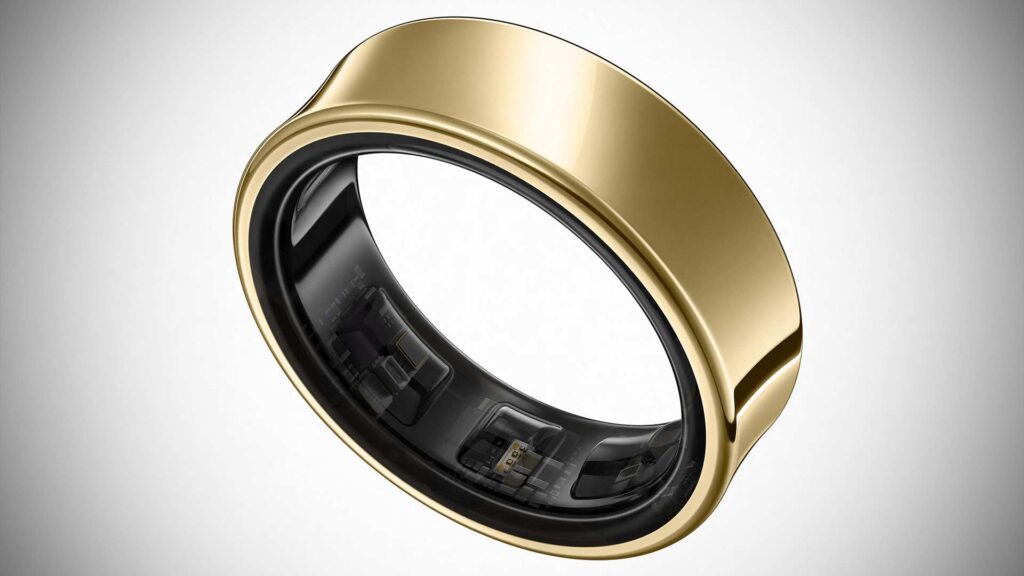
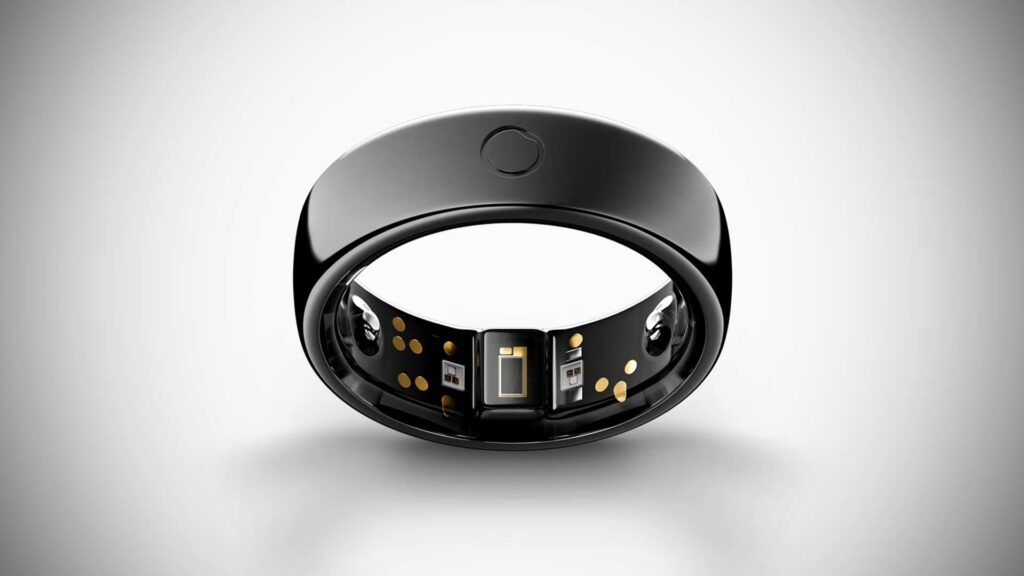
Smart rings are tiny wearable devices worn on a finger that pack advanced health sensors into a discreet form factor. Modern sleep-tracking smart rings typically include optical blood-flow (photoplethysmography, PPG) sensors to measure heart rate and heartbeat variability, a 3-axis accelerometer to sense movement, and often temperature and oxygen sensors. Unlike wristbands, the finger’s rich capillary bed and snug fit yield high-quality PPG signals (one study found ~95% waveform fidelity on the finger vs 67–86% on the wrist). By shining LEDs through the skin and measuring reflected light, PPG sensors capture heartbeat pulses (and even blood-oxygen saturation when infrared/red LEDs are used). These data streams, combined with motion and temperature readings, feed proprietary algorithms that identify sleep stages and patterns.
The Physiology of the Measurement Site: Finger vs. Wrist
The primary reason smart rings have revolutionized sleep tracking is simple biology. The wrist is a difficult place to gather clean data: it is composed of bone, tendons, and a thick layer of skin, with major arteries buried deep beneath the surface.
In contrast, the finger is a vascular goldmine.
- Arterial Access: The digital arteries run along the sides of your fingers, very close to the skin. This allows sensors to capture the pulse as it leaves the heart, rather than waiting for it to reach the smaller capillaries of the wrist.
- Signal-to-Noise Ratio: Because there is less “padding” (muscle and fat) on the finger, the signal-to-noise ratio is significantly higher. Research suggests that the pulse signal from the finger can be up to 20 to 40 times stronger than that of the wrist.
- Motion Stability: During sleep, we often roll over or tuck our hands under pillows. A watch can easily shift or lift away from the skin, causing “light leakage” that ruins a data set. A ring, however, maintains a consistent, 360-degree seal against the skin.
How Smart Rings Track Sleep
Smart rings monitor sleep by analyzing physiological signals throughout the night. Key metrics include body movement (via the accelerometer), heart rate and heart rate variability (via PPG), blood-oxygen levels (SpO₂) if equipped with oximetry sensors, and skin temperature. In practice, a smart ring might measure:
- Heart rate & HRV (PPG): PPG is the “optical heart” of the ring. It works by shining light (usually infrared or red) into the skin and measuring how much light is reflected back. When your heart beats, a “pulse wave” of blood travels through your finger, increasing the volume of the vessels. Because blood absorbs more light than the surrounding tissue, the sensor detects a dip in reflected light with every beat. By sampling this hundreds of times per second, the ring creates a high-fidelity map of your heart’s rhythm. Optical LEDs detect blood pulses and calculate beats-per-minute and the variability between beats. Heart rate tends to drop during deep sleep, and heart rate variability rises with parasympathetic (rest-and-digest) activity, providing clues about sleep depth.
- Movement (3D accelerometer): Tiny motion sensors detect tossing, turnings and periods of stillness. Long uninterrupted stillness typically indicates sleep, while movement or rotation often marks wakeful periods or restless sleep. The accelerometer tracks the “actigraphy” – or movement. By measuring movement across three axes, the ring can distinguish between:
- Gross movement: Tossing and turning or getting up.
- Micro-movement: Subtle twitches that often occur during specific sleep stages.
- Stillness: The total immobility required for deep sleep.
- Blood oxygen (SpO₂): Some rings (e.g. Circul Ring, Oura 4) use red/infrared LEDs to estimate blood oxygen saturation. These can reveal oxygen dips from snoring or apnea. One clinical test found the Circul ring’s SpO₂ readings had an exceptionally high correlation (r²≈0.90) with medical-grade sleep lab measurements, enabling detection of breathing disturbances like sleep apnea.
- Skin temperature: A Negative Temperature Coefficient (NTC) thermistors or similar sensor measures fingertip temperature. Unlike a thermometer that gives you an absolute “fever” reading, these sensors look for relative deviations from your personal baseline. Small nightly temperature swings (often 0.1°C) can reflect circadian cycles or illness. For instance, a sudden temperature rise may indicate fever or recovery states. As you fall asleep, your body undergoes “distal vasodilation”- your blood vessels in your hands and feet dilate to vent heat, which lowers your core body temperature. A smart ring “sees” this rise in skin temperature as a primary signal that the body is entering a sleep state.
Decoding the Data: How “Raw Signals” Become “Sleep Stages”
The ring doesn’t actually “see” you sleeping; it sees a stream of numbers. The true magic happens in the algorithmic layer, where the device uses machine learning to classify your night into stages. The raw signals from the sensors are fused by algorithms – often involving machine learning – to segment sleep.
To categorize sleep, the ring’s AI looks for specific “signatures”:
- Deep Sleep (N3): Characterized by a very stable, low heart rate, a drop in respiratory rate, and near-total physical stillness.
- REM Sleep: This is the most complex to detect. During REM, your brain is highly active, so your heart rate and breathing become irregular (similar to when you are awake), but your body is effectively paralyzed (no movement). The ring identifies REM by looking for this specific “Active Brain/Still Body” paradox.
- Light Sleep: A middle ground where heart rate begins to slow, and occasional movement is detected.
In short, smart rings are very good at telling sleep from wake, but stage estimates remain approximate. Notably, research finds consumer devices (including rings) generally “perform extremely well in distinguishing between sleep and wake”, while stage-by-stage accuracy is more modest.
In practical terms, smart rings typically report total sleep time, sleep efficiency (percentage of time in bed spent sleeping), and minutes in each stage (light, deep, REM). They may also flag interruptions (wake after sleep onset) and trends like “sleep debt.” Many apps translate these into a nightly “sleep score” or insights. By monitoring heart-rate variability and breathing patterns, advanced rings can even infer anomalies: for example, higher resting heart rate and more fragmented sleep may suggest illness or jet lag. Some rings now offer audio analysis on the smartphone to detect snoring or coughing. Combined with SpO₂ data, this creates a home screening for apnea/hypopnea events.
What Smart Rings Measure
- Sleep/Wake: Rings reliably detect when you’re asleep versus awake, using very sensitive PPG and accelerometer signals. Studies show sleep detection sensitivity above ~90% for top rings, though rings can sometimes overestimate sleep if you lie still but are awake.
- Sleep Stages: By combining heart rate patterns, movement, and sometimes temperature, rings estimate light vs deep vs REM sleep. These “multisensory” trackers exploit known patterns (e.g. slower heart rate in deep sleep, rapid-eye-movement correlating with certain HRV features). For instance, one Oura study notes its algorithm achieved ~79% overall accuracy for 4-stage classification, approaching the ~83% agreement between human scorers.
- Breathing Quality (SpO₂): Many sleep rings include an oximetry sensor. Oura Ring 4 added red LEDs specifically to measure blood oxygen overnight. This lets rings estimate “apnea risk” by detecting desaturations. In clinical testing, some smart rings achieved ~87% sensitivity in flagging sleep apnea events.
- Sleep Disruptions: Accelerometer data can quantify restlessness (number of awakenings or toss-and-turns per night). Some algorithms identify naps or daytime dozing.
- Heart-rate Variability (HRV): At night, HRV (the variation between consecutive heartbeats) tends to increase due to parasympathetic dominance. Smart rings report metrics like RMSSD or SDNN. Changes in nocturnal HRV can indicate recovery level or stress – and some wellness features (like Ultrahuman’s migraine predictor) even analyze sleep HRV trends.
By capturing all these signals 24/7, smart rings create a detailed profile of your sleep architecture and physiology. Users can often view charts of nightly heart rate, SpO₂, temperature deviation, and stage breakdown. Medical studies are beginning to use these data: for example, researchers found that women with very high pre-surgery sleep efficiency (measured by rings) had three times fewer complications after gynecologic surgery, illustrating potential clinical insights from long-term sleep tracking.
Health and Wellness Benefits of Sleep Tracking
Understanding your sleep through data can power better habits and health outcomes. By revealing hidden patterns (e.g. consistently short deep-sleep duration, frequent night awakenings, or elevated resting heart rate), smart rings can motivate users to improve bedtime routines. One analysis notes that “accurate sleep measurement could provide ongoing motivation to improve sleep routines and habits”. Indeed, seeing a low “sleep score” may prompt you to adjust factors like caffeine intake, room temperature, or screen time.
Sleep tracking also helps catch possible sleep disorders early. For example, if a ring flags unusually low oxygen levels or fragmented sleep, it could suggest obstructive sleep apnea or severe insomnia. Experts note that while trackers can’t diagnose disease, they can clue you in if “something is off” and worth discussing with a doctor. Regular monitoring may reveal trends: perhaps your sleep quality drops whenever you drink alcohol, or your heart rate stays abnormally high after late-night screen use. Armed with this information, you or your physician can target lifestyle or medical interventions sooner.
Importantly, sleep tracking can simply engage you more with your health. Even imperfect data can spark awareness: as one sleep specialist puts it, consumer trackers “offer a wonderful, relatively inexpensive way to become more engaged in your overall health”. By charting your own sleep patterns, you may notice correlations (jet lag, stress, diet) and take proactive steps. Some apps even include coaching tips (e.g. consistent bedtime, winding down routines) based on the data. Over time, users often refine habits to boost their deep/REM sleep ratios, yielding benefits in daytime focus, mood, and overall wellness.
User Safety Note: Most smart rings are not FDA-approved medical devices, and their sleep-stage outputs have limitations. Experts caution, accurate staging (light/deep/REM) really requires EEG in a lab. In practice, rings are best used as general wellness tools and not to self-diagnose. Excessive fixation on sleep scores can also cause anxiety (“orthosomnia”). Users should focus on long-term trends rather than obsessing over nightly fluctuations.
Major Smart Ring Products and Market Trends
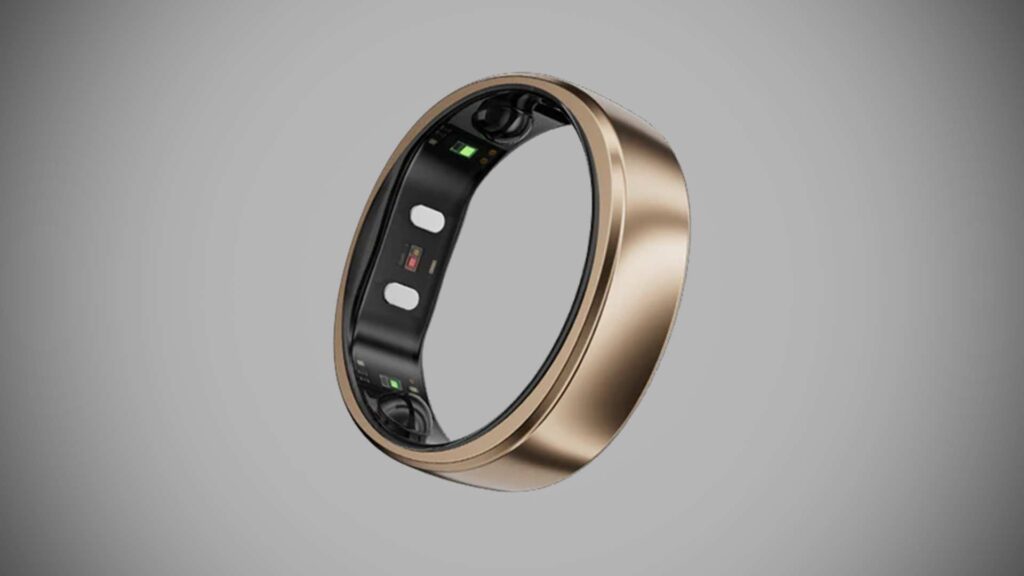
A number of companies now offer health-tracking rings. Ōura is the pioneer, with its Ring (Gen3/Gen4) being the most studied device (featured in ~72% of ring research). Oura’s ring uses infrared and green LEDs, an accelerometer, and a temperature sensor to measure sleep, activity, and readiness. Ultrahuman (based in India) has gained market share with its Ring Air, which tracks sleep, HRV, temperature and even has “PowerPlug” AI apps (for example, a migraine predictor using sleep/HR data). Circular Ring 2 (by Healthy.io) pushes into medical territory with built-in ECG electrodes for atrial fibrillation screening and blood-oxygen monitoring. Other notable brands include RingConn, Movano, Amazfit Helio Ring, and Samsung (which showcased a prototype “Galaxy Ring” at CES 2026). Many newer rings boast features like contactless ECG, longer battery (often 5–7+ days), and no required subscription (unlike Oura’s premium membership).
The smart ring market is booming. An industry analysis reports shipments accelerating from ~850,000 rings in 2023 to an estimated 4 million in 2025. In early 2025 Oura held about 74% of the market, with Ultrahuman and Samsung each at ~9%. Analysts project the market to grow at ~25–30% CAGR through 2030 (hundreds of millions to over a billion USD) as more consumers and health programs adopt ring wearables. Rings appeal as an alternative to smartwatches for sleep: they avoid screen light at night and can feel more comfortable for 24/7 wear. Tom’s Guide notes that while smartwatches (or Oura) dominate earlier, a new wave of startups (Circular, RingConn, Amazfit, etc.) now offers equally capable rings, often at lower cost or without subscriptions.
As wearables converge, rings are starting to integrate with wider health ecosystems. For example, Samsung’s CES demo showed a Galaxy Ring working with smart home devices (AC and purifiers) to optimize bedroom conditions for sleep. Some companies are also exploring privacy-preserving analytics (federated learning) and more open data protocols to aid healthcare adoption.
The Challenges of Accuracy
While smart rings are exceptionally good at detecting when you are asleep, they face a known hurdle in the sleep science community: Specificity.
- The “Stillness” Bias: If you have insomnia and lie perfectly still for an hour, the ring’s accelerometer may register that time as “Light Sleep” because you aren’t moving.
- Validation: Compared to the gold-standard Polysomnography (PSG) – which uses brain-wave (EEG) sensors – smart rings generally achieve about 75% to 80% agreement on sleep staging. However, they achieve 95%+ accuracy on total sleep time and heart rate metrics.
Future Developments in Sleep Tech
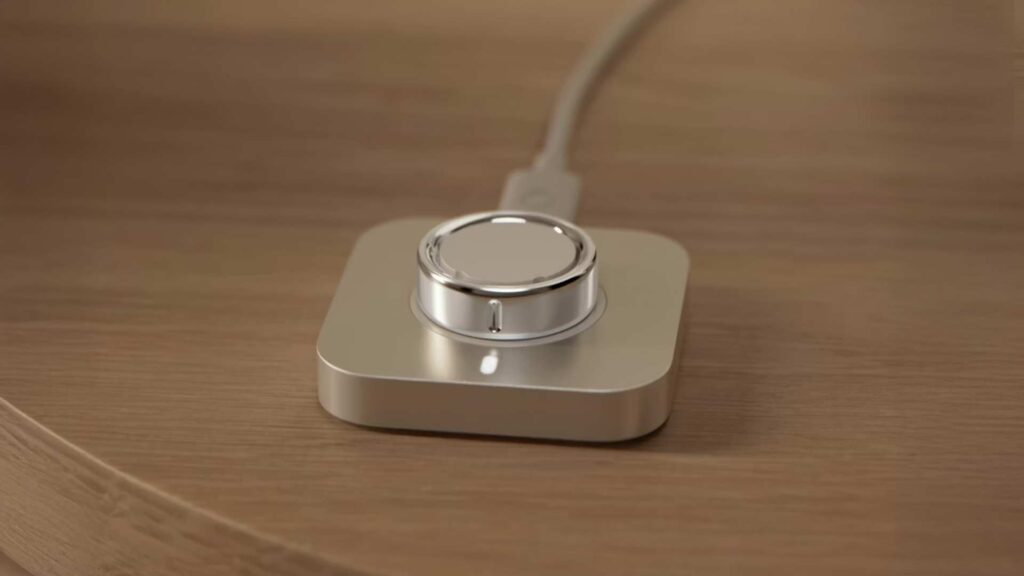
The future of smart rings looks exciting. Engineers are miniaturizing new sensor types: research prototypes envision rings that continuously track glucose (via optical chemical sensing), cortisol (stress hormone), or other biomarkers. Battery and charging tech are improving too, which will allow longer wear (perhaps wirelessly charging them on a nightstand). Machine learning models will keep getting better at interpreting ring data: we’re entering an era where personalized baselines and AI could predict illnesses (flu, migraines, etc.) from subtle sleep changes, as Ultrahuman’s migraine “heads-up” app already attempts.
On the market side, expect more competition and features. Samsung (and possibly Apple) may launch their own rings, leveraging vast ecosystems. The “app store” model for ring features (like Ultrahuman’s plug-ins) may spread, letting users add only the health modules they want. We’ll also see rings synchronizing with other devices (smart mattresses, CPAP machines, etc.) and electronic health records. Privacy and data security will be critical, given the sensitive nature of continuous monitoring. Regulators may start scrutinizing medical claims (e.g. FDA clearance of ECG or sleep disorder functions).
Lastly, in healthcare, validated smart rings might become standard patient-monitoring tools. Large studies (like those analyzing millions of nights of Oura data) are already mapping population sleep norms and phenotypes. Clinicians could one day use ring data to track chronic insomnia treatment, detect early cognitive decline, or manage recovery after surgery. But to get there, the field needs more independent validation (most ring algorithms are proprietary), diverse study populations, and integration into clinical workflows.
Summary
Smart sleep rings merge cutting-edge sensor hardware with advanced algorithms to non-invasively monitor sleep health. By tracking heart rhythm, oxygen levels, motion and temperature, they give users insight into sleep duration, quality, and potential issues – insights that were once only possible in sleep labs. Early research shows these devices reliably measure sleep/wake and correlate well with clinical data, though they are still improving in pinpointing exact sleep stages. For consumers and health professionals alike, smart rings offer an engaging way to understand and improve sleep. And as the technology matures – with better sensors, AI analytics, and integration into care – smart rings are poised to become a mainstream tool in the quest for healthier sleep.